
The P-Shot is popularly known as the “happiness shot” or the “penis rejuvenation shot”.
The P-Shot is the use of PRP (platelet-rich plasma), a treatment employed in many medical specialties today, for the treatment of erectile dysfunction (difficulty getting or keeping an erection).
PRP is widely used in dermatology, physical therapy and orthopaedics.
Platelets are the cells responsible for blood clotting. With the PRP method, platelets are concentrated and activated outside the body and then returned to the body. Platelets are not constantly active in the bloodstream; in the event of trauma, a cut or an injury, they gather at that site. As well as stopping bleeding and helping blood clot, platelets support tissue healing and repair, the process we call “regeneration”. Through the substances they release, they also promote the formation of new blood vessels and the widening of existing ones (“angiogenesis”), enabling tissue growth and renewal.
How does the P-Shot (PRP) work in erectile dysfunction?
In men with erectile problems, damage to the blood vessels of the penis means there is not enough blood flow for an erection: the spongy tissue inside the penis, called the corpora cavernosa, does not fill with enough blood, and because the vascular structure that keeps blood in this area is impaired, an erection either does not occur or cannot be maintained. The therapeutic effect of PRP in erectile problems comes from improving the mechanism behind erection. With the P-Shot, new blood vessels form, vessels widen and blood supply increases, and the vascular tissue is rejuvenated and renewed.
How is the P-Shot (PRP) performed?
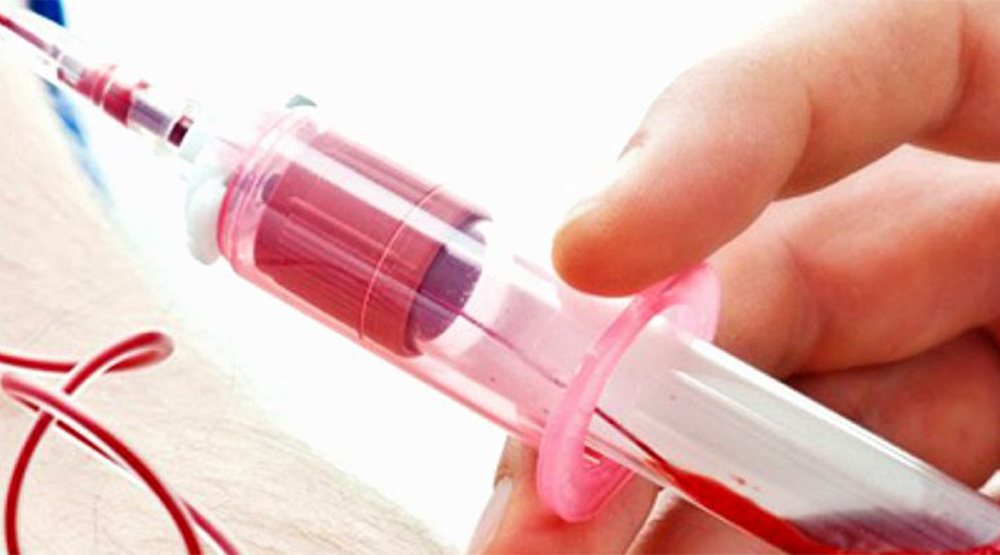
About 20 cc of the patient’s own blood is drawn from a vein (in the arm). The blood is placed in special PRP tubes (a PRP kit), which are then put into a centrifuge. The tubes are spun for 15 minutes at 4,000 revolutions per minute to separate the plasma from the cellular part; the whitish, platelet-rich layer in between is made up to about 5 cc with plasma. This PRP is then injected into the corpora cavernosa, the spongy tissue on each side of the penis that is responsible for erection. Before the injection, a local anaesthetic cream containing lidocaine is applied and left for about 20 minutes. The whole P-Shot procedure takes around 30–40 minutes. During the injection, placing a tourniquet – not too tight – at the base of the penis for about 1 hour is important for the treatment to take effect.
How many P-Shot (PRP) sessions are needed, and how often?
The P-Shot course consists of 3 sessions, one per week, over a total of 3 weeks. Repeating the course of 3 sessions at 3- and 6-month intervals gives a more effective and lasting result.
What are the advantages of the P-Shot (PRP), and what should be considered?
Before the P-Shot, the patient must always be asked whether they take blood-thinning medication (aspirin, Coumadin, warfarin, Plavix, etc.). If so, these medicines should be stopped 4 days before the P-Shot, in consultation with the doctor who prescribes them.
For diabetic patients, a fasting blood sugar of around 130–140 and an HbA1c (the 3-month blood sugar average) not above 7.5–8 are needed for the treatment to have the desired effect.
Patients with heart or peripheral circulation problems (coronary heart disease, a history of heart attack (MI), a history of stroke or paralysis, arterial or venous circulation disorders, varicose veins) should also consult the doctor who follows and treats them.
In patients with an active infection in the genital area or on the penis, a skin infection, an abscess or skin lesions, the P-Shot should be carried out once treatment for these has been completed.
The advantages of the P-Shot are that it does not disrupt the patient’s daily life and they can return to their routine straight away. They may even have sex on the day of treatment; there are no restrictions. It is not a painful, troublesome treatment with side effects that would make the procedure difficult for the patient. Because the patient’s own blood is used, it does not cause side effects, and the procedure is short. No lengthy hospital stay is needed.
The effect of the P-Shot becomes apparent after 3 months. Repeat sessions at 3 and 6 months increase the success of the treatment. Some doctors combine the P-Shot with ESWT (shockwave therapy for the penis); however, recent studies have shown the P-Shot alone to be as effective as the combined treatment. Repeating P-Shot sessions increases success.
An important point in P-Shot treatment, which must be assessed by the doctor, is patient selection. The P-Shot is a treatment option that can be used in men with mild to moderate erectile dysfunction, in whom it may produce satisfying results. In men with severe erectile dysfunction, especially those who get no erectile response at all with PDE5 inhibitors (sildenafil, vardenafil, tadalafil, etc.), the chance of success with the P-Shot is low.
Patients with chronic conditions (uncontrolled high blood sugar, arterial and venous circulation disorders, chronic neurological disease, severe obesity, or advanced age – over 65) are unlikely to benefit from the P-Shot. These patients belong to the group with severe erectile dysfunction, and penile implants (penile prostheses) offer them a more appropriate and successful treatment.
What other conditions is the P-Shot (PRP) used for?
In Peyronie’s disease, which causes curvature of the penis, the P-Shot can be applied to the area of the fibrous plaques. This helps shrink the plaques and can avoid the need for surgery.
For penile enlargement, stem cell therapy (SVF) can be used, or the P-Shot can be chosen instead. Successful results have also been achieved with the P-Shot in chronic cystitis, interstitial cystitis and chronic prostatitis. In these conditions, combining it with ESWT (shockwave therapy for the penis) is recommended.