
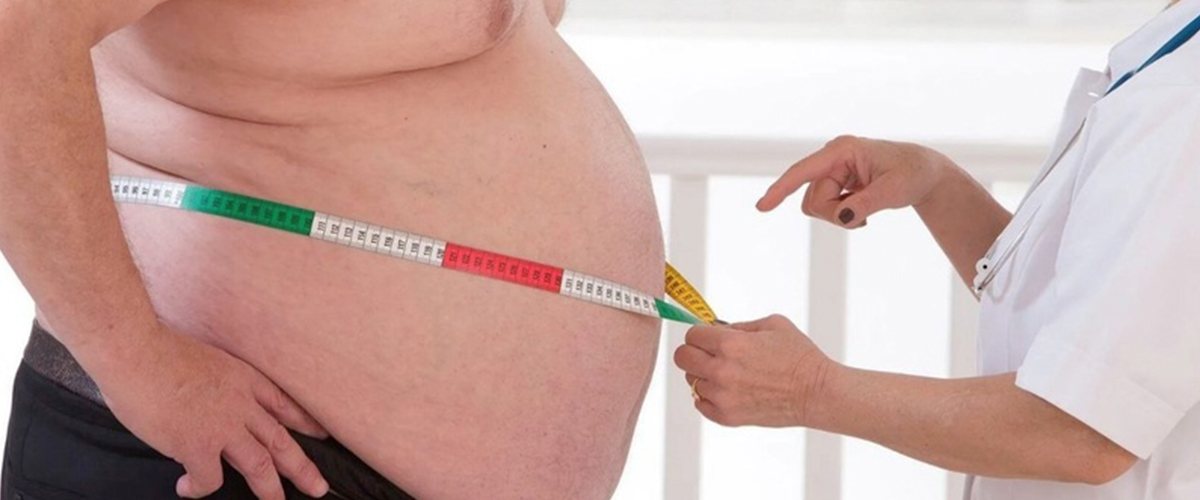
Gastric Sleeve
Gastric sleeve surgery is also known as sleeve gastrectomy. In this operation, a large part of the stomach, around 80%, is removed to reduce its volume. Because a smaller stomach limits food intake, the person loses weight. The stomach, which is normally shaped like a pouch, takes the form of a long, narrow tube after the operation. The removed part of the stomach is taken out of the body permanently. This removed section contains the area that produces ghrelin, the hunger hormone that stimulates the hypothalamus in the brain, so the person’s feeling of hunger decreases. In gastric sleeve surgery, the pylorus, the valve that regulates the emptying of the stomach, is preserved. Because this valve is preserved, the stomach’s role in the digestive system does not change; you simply feel full sooner while eating less. Thanks to their smaller stomach, people who have had a gastric sleeve can feel completely full after eating less than usual. The aim of the operation is to help the person lose weight by eating less and choosing healthier foods. Gastric sleeve surgery can be performed as open or keyhole (laparoscopic) surgery.
What should I pay attention to before gastric sleeve surgery?
It is generally recommended that you are admitted to hospital 24 hours before your obesity operation. On the day before surgery, you should switch to a liquid diet and not eat any solid food. You should stop eating completely from midnight, and stop drinking water 8 hours before your scheduled operation time.
What are the advantages of gastric sleeve surgery?
The advantages of gastric sleeve surgery include a narrower passage through the stomach, feeling full with small amounts of food, reduced appetite and a more balanced diet. Compared with gastric bypass, the gastric sleeve is a simpler and shorter operation, and the hospital stay is also shorter. If necessary, a gastric sleeve can later be converted to certain other obesity operations.
Who is gastric sleeve surgery suitable for?
Not everyone who is unhappy about their excess weight can have gastric sleeve surgery. To be eligible, the patient must be between 18 and 65 years old and have a body mass index above 35–40. A person is considered a suitable candidate if they have cardiovascular disease, type 2 diabetes or other serious health problems related to their excess weight; have no alcohol or drug dependence; are psychologically ready for a change in lifestyle and able to cope with the stress of surgery; are in suitable general health; and have been unable to lose weight by methods other than surgery.
How much weight can I lose after gastric sleeve surgery?
If you eat healthily and exercise regularly after gastric sleeve surgery, you can lose 65–80% of your excess weight within 1 year. However, if you do not establish good eating habits and eat healthily, you may regain around 5% of the weight later on.
What can I expect after gastric sleeve surgery?
You can get up about 1–2 hours after returning to your bed from the operating theatre. From the first day onwards, you can shower, covering your dressings with protective waterproof covers. After resting for about a week following surgery, you can return to work. If your job involves physical activity, it is recommended that you wait 30 days before returning.