
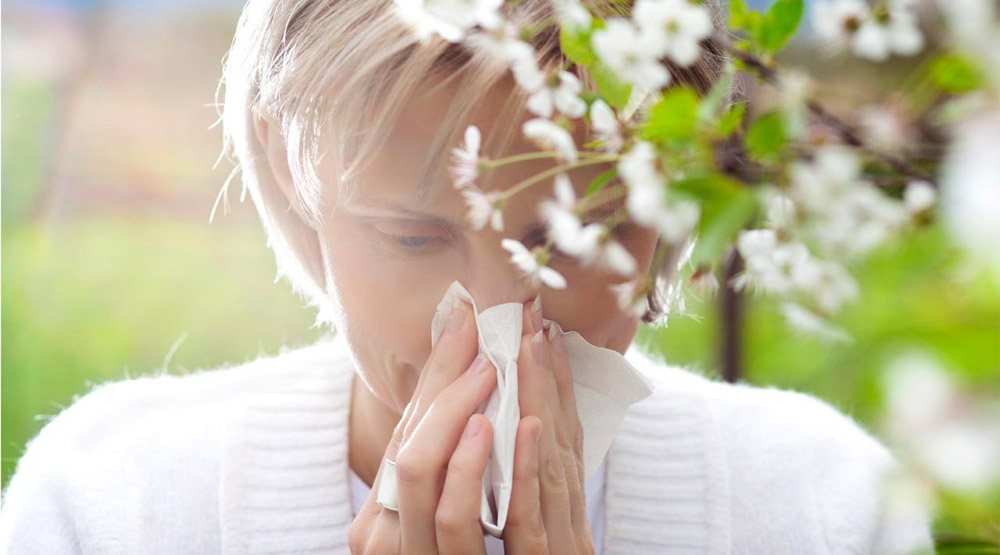
As spring arrives and nature comes back to life, a difficult season begins for people with allergies. High levels of pollen in the air can cause itchy eyes, a runny nose and shortness of breath. Spring allergy occurs when the immune system overreacts to pollen, and it can take a real toll on quality of life. Rami Hospital specialists share ways to protect yourself from spring allergies and effective treatment options.
What Is a Spring Allergy?
A spring allergy is a condition that usually appears in spring and summer, when pollen levels are high, and is caused by the immune system overreacting to pollen. Also known as hay fever (allergic rhinitis), it can be influenced by genetic predisposition and environmental factors.
What Are the Symptoms of a Spring Allergy?
Spring allergy symptoms vary from person to person. The most common are:
- Frequent sneezing and a runny nose
- Itchy, watery and red eyes
- An itchy, dry throat
- A blocked nose and difficulty breathing
- Tiredness and poor concentration
- Itchy skin or a rash
Steps You Can Take Against Spring Allergies
You can take a few simple steps in daily life to keep allergic reactions to a minimum:
- Reduce Your Exposure to Pollen
- Avoid going out early in the morning and on windy days.
- Change your clothes and take a shower when you get home.
- Keep windows closed to stop pollen getting in.
- When travelling by car, clean the air-conditioning filter regularly.
- Strengthen Your Immune System
- Eat foods rich in antioxidants (green leafy vegetables, fruit containing vitamin C).
- Drink plenty of water to help your body flush out toxins.
- Eat foods containing omega-3 fatty acids (fish, walnuts).
- Make Your Home Allergy-Friendly
- Clean carpets and curtains regularly.
- Wash items that trap pollen frequently.
- Use air filters at home to reduce allergens.
Treating Spring Allergies
Although spring allergies cannot be cured completely, there are several treatments that can ease the symptoms. Some of the options offered at Rami Hospital include:
- Allergy Medication
- Antihistamines: help reduce allergic reactions.
- Nasal sprays: relieve a blocked nose so you can breathe more easily.
- Eye drops: ease itchy, red eyes.
- Allergy Vaccination (Immunotherapy)
Vaccines containing set doses of allergens can be given to help the body build tolerance to the substances that cause the allergy. In the long term, this treatment can reduce allergy symptoms.
- Natural Supportive Measures
- Rinsing the nose with salt water can help bring relief by clearing pollen from inside the nose.
- You can also turn to natural anti-inflammatory plants such as ginger and chamomile tea.
Get Specialist Support for Spring Allergies at Rami Hospital
If spring allergies are affecting your quality of life, you can see a specialist at Rami Hospital to put together the treatment plan that suits you best. To find out about allergy tests and personalised treatment so you can enjoy the spring months in comfort, book an appointment at Rami Hospital.
Rami Hospital is here for you, for a healthy and enjoyable spring!