
About the department
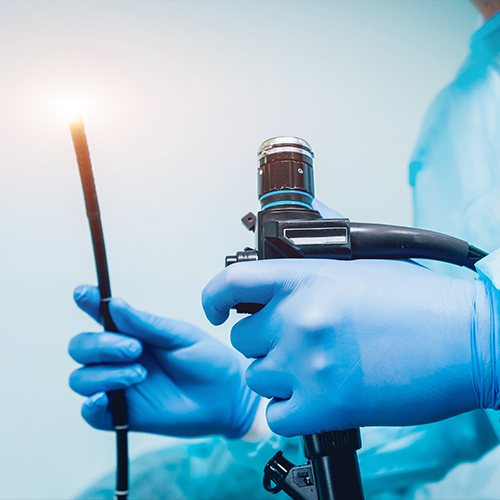
In examinations of the digestive system, looking at the oesophagus, stomach and duodenum is called gastroscopy, while examining the small intestine beyond the duodenum and the large intestine is called colonoscopy.
Gastroscopy and colonoscopy are very useful in many digestive diseases that cannot be definitively diagnosed with tests such as ultrasound, MRI or CT.
When Is Gastroscopy Needed?
- Difficulty swallowing,
- Weight loss, anaemia,
- Nausea, vomiting, bloating,
- Vomiting blood,
- Dark black stools,
- Burning in the stomach area, acid reflux, bitter fluid rising into the mouth,
- A feeling of food getting stuck in the oesophagus,
- Patients who have previously had stomach polyps, stomach cancer, ulcers or stomach surgery,
- People with a family history of gastrointestinal cancer,
- Patients whose biopsy results indicate a risk should have a gastroscopy.
When Is Colonoscopy Needed?
- Rectal bleeding,
- Monitoring and treatment of bowel polyps,
- Unexplained abdominal pain,
- A family history of colon cancer,
- Iron deficiency anaemia,
- Previous bowel cancer surgery,
- A positive faecal occult blood test,
- Stools containing blood or mucus,
- Monitoring and treatment of Crohn’s disease and ulcerative colitis,
- Narrower stools or small, pellet-like stools,
- Feeling the urge to open your bowels but being unable to pass stool,
- Every healthy person over the age of 50,
- Haemorrhoids,
- Changes in bowel habits after the age of 40 (constipation, bouts of diarrhoea),
- People whose bowel X-rays show narrowing or a filling defect should have a colonoscopy.