
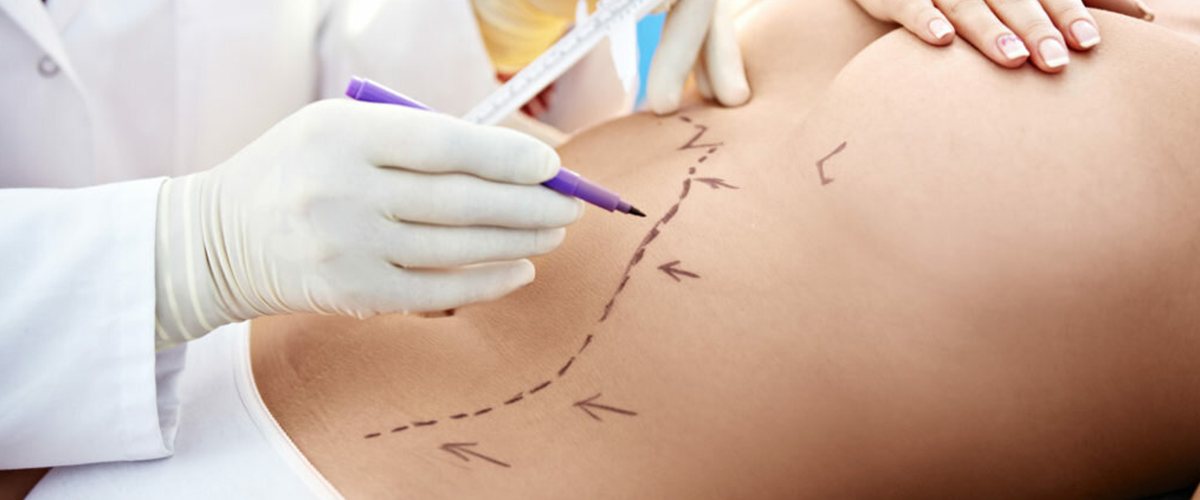
Liposuction (Fat Removal)
Liposuction is a method of removing excess fat tissue from certain areas of the body using suction to achieve smoother body contours. By removing fat from areas with stubborn fat deposits, it gives the body a more proportionate appearance. Contrary to popular belief, liposuction is not a weight-loss operation but a body-contouring procedure.
The success of liposuction depends on the elasticity of the patient’s skin, their weight and a clear understanding of what they expect from the operation. It should not be seen as a miracle weight-loss method. Exercise and strict diets reduce the size of fat cells in the body, but not their number. Liposuction, on the other hand, reduces the number of fat cells by removing them from the body.
Which areas can be treated with liposuction?
Fat can be removed with liposuction from the abdomen, waist, hips, outer thighs, knees, ankles, arms, breasts, face and under the chin.
Who can have liposuction?
The most suitable candidates for liposuction are patients who are close to or slightly above their ideal weight but have fat deposits in certain areas of the body (especially the hips, outer thighs, abdomen and waist) that cannot be eliminated with diet or exercise.
Whether the patient has firm, elastic skin and whether they smoke also affect the result.
Are the results of liposuction permanent?
The result is permanent as long as the patient maintains their weight. If weight is gained later on, these localised fat deposits will not return to the same extent.
How long does the operation take?
Liposuction takes between 1 and 3 hours, depending on the area treated and the extent of the procedure. Depending on the areas to be treated, the operation is performed under local or general anaesthesia.
How is the operation performed?
Liposuction is performed with suction devices using cannulas of various sizes. Because the incisions are only a few millimetres, just large enough for the cannulas, no noticeable scar remains.
Techniques include laser liposuction, Vaser liposuction, ultrasound-assisted liposuction, and wet (with fluid infusion) and dry liposuction. At our hospital, Vaser liposuction is the preferred method used for our patients.
What should I pay attention to after surgery?
There is little pain after surgery, and mild pain is relieved with painkillers. Patients are usually discharged on the same day or the following day, and it is possible to return to work within 2–3 days.
Swelling and bruising may occur after the operation and usually resolve within 2 weeks. However, it takes about 6–12 months for all the swelling in the treated area to subside and for the area to take on its final shape. During this time, massage and some other treatments may be used for support.
For the best results, it is advisable to wear a compression garment for one month after surgery.
It is beneficial to pay attention to diet and exercise after surgery. It should be remembered that if overeating continues, weight may be regained in other parts of the body, although not as much in the treated areas. In that case, however, the treated and untreated areas gain weight in proportion to each other.
What complications can occur after liposuction?
Fat embolism can occur after liposuction, although very rarely. To prevent this potentially life-threatening condition, caused by fat entering the bloodstream, early mobilisation is recommended after surgery.
The most important long-term complication is waviness and dents in the treated area. These irregularities can occur when too much fat or fat is removed unevenly, or when skin elasticity is poor.