
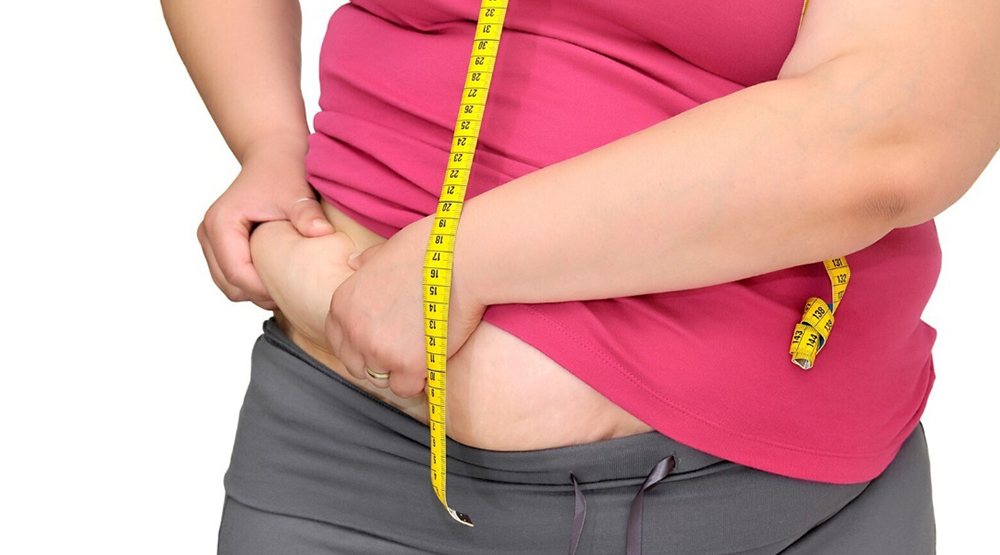
Obesity is a rapidly growing condition worldwide that can lead to serious health problems. Excess weight does not only affect appearance; it can also underlie many diseases, from heart disease and diabetes to hypertension and joint problems. The good news is that obesity is treatable. Here is what you need to know about obesity treatment:
What Is Obesity?
Obesity means an unhealthy build-up of fat in the body and is usually assessed using the body mass index (BMI). BMI is calculated by dividing a person’s weight by the square of their height:
- 18.5 – 24.9: Normal weight
- 25 – 29.9: Overweight
- 30 and above: Obesity
The Effects of Obesity on Health
Obesity lowers quality of life and can shorten life expectancy. Health problems associated with obesity include:
- Cardiovascular Disease
- Type 2 Diabetes
- High Blood Pressure
- Sleep Apnoea
- Joint Problems (Osteoarthritis)
- Depression and Anxiety
Which Methods Are Used to Treat Obesity?
The aim of obesity treatment is to achieve weight loss and to make it last. The treatment plan is tailored to each person’s health and needs. These are the main methods used in obesity treatment:
- Nutrition and Diet Programmes
- A healthy, balanced diet is put together to balance calorie intake.
- A specialist dietitian prepares a plan that fits the person’s lifestyle.
- Physical Activity
- Regular exercise supports weight loss and has positive effects on overall health.
- 30–60 minutes of moderate exercise a day is recommended.
- Behavioural Therapy
- Specialist support is provided to change eating habits.
- Stress management and emotional eating are addressed.
- Medication
- Certain medicines, used under medical supervision, can speed up weight loss.
- Medication can be effective when combined with diet and exercise.
- Bariatric Surgery (Obesity Surgery)
- Recommended for people with a BMI of 40 or above, or 35 or above with additional health problems.
- Procedures such as sleeve gastrectomy (gastric sleeve) and gastric bypass are performed.
Life After Obesity Treatment
Obesity treatment is not just about losing weight. The goal is for the person to adopt a healthy lifestyle and keep it up. During this process:
- Healthy eating habits should be maintained.
- Regular physical activity should become a habit.
- Follow-up appointments with specialists should not be missed.
Why Taking Action Early Matters
Obesity treatment is more effective when it is started early. So if you are struggling to control your weight, do not hesitate to consult a healthcare professional. Remember, tackling obesity is one of the most important investments you can make in your health.
If you would like more information about obesity treatment for a healthier life, you can contact our specialist team and put together a personalised treatment plan.