
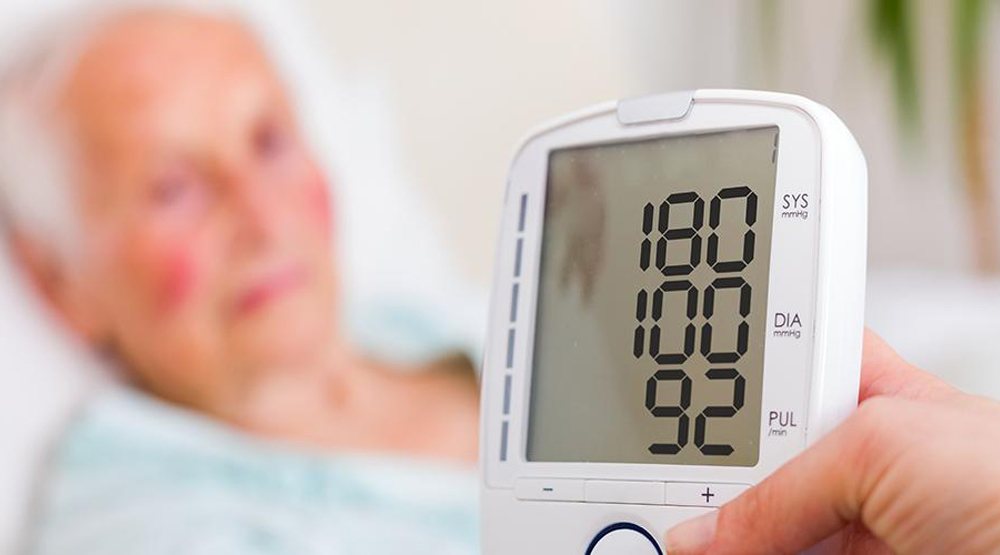
High blood pressure is a common health problem affecting millions of people worldwide. Often called the “silent disease”, hypertension frequently causes no obvious symptoms, which means it can lead to serious health problems without the person being aware of it. With early diagnosis and appropriate treatment, high blood pressure can be managed, helping to prevent life-threatening conditions such as heart attack, stroke and kidney disease. So what is high blood pressure, and how can it be managed?
- What Is High Blood Pressure?
High blood pressure is when the force of blood against the artery walls is higher than normal. Blood pressure is made up of two values: systolic (the pressure in the arteries when the heart contracts) and diastolic (the pressure in the arteries when the heart relaxes). Hypertension is diagnosed when the systolic value is above 130 mmHg and the diastolic value is above 80 mmHg.
- Symptoms of High Blood Pressure
High blood pressure often causes no symptoms, which allows it to progress unnoticed. However, some people may experience headaches, dizziness, shortness of breath or chest pain. Such symptoms are often a sign of advanced hypertension. That is why having your blood pressure checked regularly is important for detecting it early.
- Risk Factors for High Blood Pressure
Many factors can increase the risk of hypertension. These include:
- Genetic factors: People with a family history of high blood pressure are at higher risk.
- Age: High blood pressure becomes more common after the age of 40.
- Obesity: Excess weight can make the heart work harder and increase pressure on the blood vessels.
- Lack of physical activity: Not exercising regularly can lead to higher blood pressure.
- Salt intake: Too much salt can cause the body to retain water and increase pressure on the vessel walls.
- Smoking and alcohol: Smoking and drinking too much alcohol can narrow the blood vessels and lead to high blood pressure.
- Stress: Being under constant stress can raise blood pressure.
- Serious Consequences of High Blood Pressure
If it is not brought under control, high blood pressure can lead to a range of serious health problems, including:
- Heart disease: High blood pressure can be responsible for conditions such as heart attack and heart failure.
- Stroke: Hypertension increases the risk of stroke by causing blood vessels in the brain to become blocked or to burst.
- Kidney disease: High blood pressure can cause permanent kidney damage and lead to kidney failure.
- Eye problems: Bleeding in the eye, loss of vision or damage to the retina can develop as a result of high blood pressure.
- Managing High Blood Pressure
High blood pressure can be managed through lifestyle changes and, in some cases, medication. Here are some steps you can take to keep your blood pressure under control:
- A balanced diet: Cutting down on salt and eating a healthy diet rich in fruit and vegetables can help manage hypertension. Eating foods rich in potassium can also help balance blood pressure.
- Regular exercise: At least 150 minutes of moderate aerobic exercise a week can lower blood pressure. Activities such as walking, running, swimming or cycling are beneficial.
- Weight control: Maintaining a healthy body weight is important for lowering blood pressure.
- Quitting smoking and alcohol: Not smoking and limiting alcohol will help in managing high blood pressure.
- Avoiding stress: Regular meditation, yoga and deep-breathing exercises can reduce stress levels and help keep blood pressure under control.
- Regular check-ups: Having your blood pressure measured regularly and following your doctor’s advice helps protect you from the long-term complications of high blood pressure.
- Medication
In some cases, lifestyle changes may not be enough and medication may be needed. Medicines used to treat hypertension include ACE inhibitors, diuretics, beta-blockers and calcium channel blockers. Your doctor will decide on the most suitable treatment plan for you.
Conclusion
High blood pressure is a condition that can be brought under control with early diagnosis and treatment. To minimise the long-term effects of hypertension on your health, it is important to pay attention to lifestyle changes, have regular medical check-ups and follow the necessary treatment. By adopting a healthy lifestyle, you can reduce the risks of high blood pressure and live a healthy life.