
Diabetes is a chronic disease caused by the body’s inability to regulate blood sugar. There are two main types: type 1 and type 2 diabetes. In this article, we take a detailed look at the differences between type 1 and type 2 diabetes, their symptoms and the treatment options.
Differences Between Type 1 and Type 2 Diabetes
Type 1 Diabetes:
- Autoimmune Disease: The body’s immune system attacks and destroys the insulin-producing beta cells in the pancreas. As a result, the body cannot produce enough insulin.
- Usually Starts Early in Life: It appears in childhood, adolescence or young adulthood, although it can occur at any age.
- Sudden Onset: Symptoms appear quickly and suddenly.
- Treatment: Requires lifelong insulin treatment.
Type 2 Diabetes:
- Insulin Resistance: The body becomes resistant to insulin and the pancreas cannot produce enough insulin. Insulin cannot be used effectively.
- Usually Starts in Adulthood: It is usually seen in people aged 40 and over, but is increasing in younger people because of obesity and lifestyle factors.
- Gradual Onset: Symptoms develop slowly and may go unnoticed for a long time.
- Treatment: Can be managed with diet, exercise, oral medication and, in some cases, insulin.
Symptoms of Diabetes
The symptoms of type 1 and type 2 diabetes are similar, but how quickly they start and how severe they are may differ:
- Excessive Thirst and Dry Mouth: The body needs more water to make up for fluid loss.
- Frequent Urination: Needing to urinate often, especially at night.
- Excessive Hunger: Feeling hungry again soon after eating.
- Weight Loss: Weight loss caused by a lack of insulin, noticeable particularly in type 1 diabetes.
- Tiredness and Weakness: Feeling constantly tired because of a lack of energy.
- Blurred Vision: High blood sugar levels can cause blurred vision.
- Slow Wound Healing: Wounds heal slowly, especially on the feet and legs.
- Infections: Frequent urinary tract, skin and gum infections.
Treatment Options for Diabetes
The aim of diabetes treatment is to keep blood sugar levels under control and prevent complications. Treatment options may differ for type 1 and type 2 diabetes:
Treatment Options for Type 1 Diabetes:
-
Insulin Treatment:
- Injections: Daily insulin injections keep blood sugar levels under control.
- Insulin Pump: Devices that deliver a continuous infusion of insulin help optimise blood sugar control.
-
Blood Sugar Monitoring:
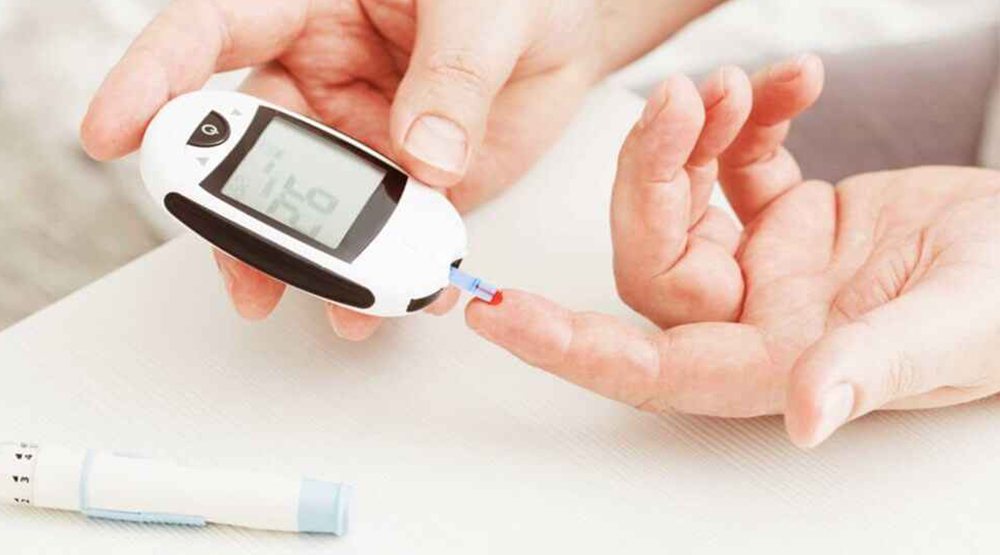
- Regular Monitoring: Checking blood sugar levels frequently helps adjust insulin doses.
-
Healthy Eating:
- Balanced Diet: Carbohydrate counting and healthy meal plans support blood sugar control.
-
Exercise:
- Regular Physical Activity: Exercise helps regulate blood sugar levels.
Treatment Options for Type 2 Diabetes:
-
Lifestyle Changes:
- Diet and Nutrition: Healthy, balanced eating and controlled carbohydrate intake.
- Weight Control: Reaching and maintaining a healthy weight.
-
Exercise:
- Regular Physical Activity: At least 150 minutes of moderate exercise a week is recommended.
-
Oral Diabetes Medication:
- Metformin: Reduces glucose production by the liver and increases insulin sensitivity.
- Sulfonylureas: Stimulate the pancreas to produce more insulin.
- DPP-4 Inhibitors: Increase insulin production and lower glucagon levels.
- SGLT2 Inhibitors: Increase the excretion of glucose through the kidneys.
-
Insulin Treatment:
- Injections: Insulin injections may be needed when oral medication is not enough.
Diabetes can be brought under control with proper management and treatment. Understanding the differences between type 1 and type 2 diabetes is important for choosing the right treatment strategy. With healthy lifestyle changes, regular exercise and medical treatment, it is possible to cope successfully with diabetes.
If you have symptoms of diabetes or think you may be at risk, it is important to see a healthcare professional. Early diagnosis and treatment play a crucial role in managing diabetes and improve your quality of life.