
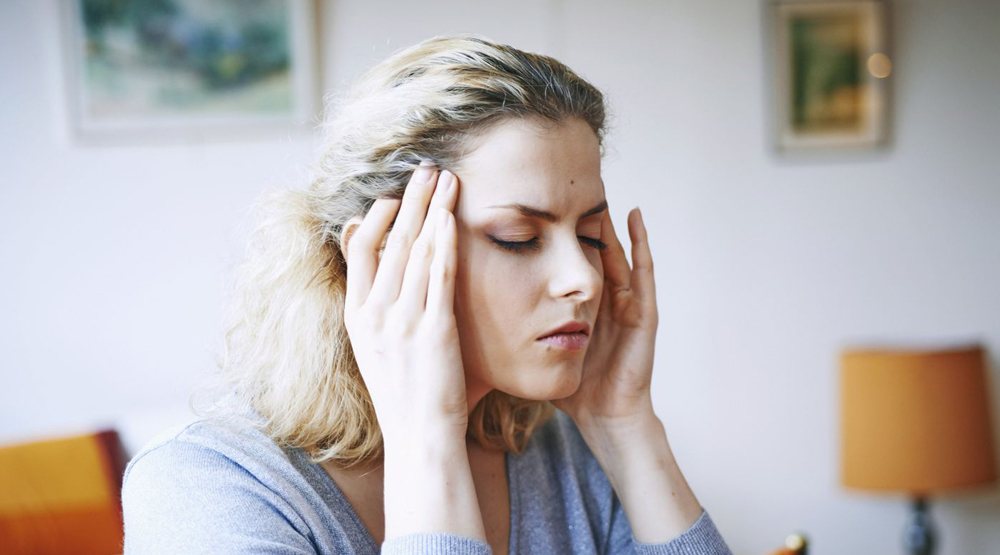
Migraine is a neurological condition affecting millions of people worldwide, usually causing severe pain on one side of the head. With symptoms such as nausea, vomiting and sensitivity to light accompanying the headache attacks, it can seriously affect quality of life. In this article, we take a detailed look at what migraine is, its causes, symptoms and treatment options.
What Is Migraine?
Migraine is much more than an ordinary headache. It comes in attacks that usually last from a few hours to a few days. Although the exact cause of migraine is not fully understood, it is thought to result from a combination of genetic and environmental factors.
A migraine attack can develop in four different phases:
- Prodrome Phase: Early signs such as tiredness, excessive thirst or mood changes.
- Aura Phase: Temporary neurological symptoms such as visual disturbances, tingling or difficulty speaking.
- Headache Phase: The period when severe headache occurs.
- Postdrome Phase: Tiredness and confusion after the migraine.
What Are the Symptoms of Migraine?
Migraine can vary from person to person. However, the common symptoms are:
- Intense pain, usually on one side of the head
- Nausea and sometimes vomiting
- Heightened sensitivity to light, sound and smells
- Visual disturbances (flashing lights, blind spots, etc.)
- Difficulty concentrating
These symptoms can last hours or days and can make it hard to carry out daily activities.
What Causes Migraine?
Although the exact cause of migraine is not known, certain factors can trigger attacks:
- Genetic Predisposition: It is more common in people with a family history of migraine.
- Hormonal Changes: Migraine attacks are more common in women, particularly around menstruation or the menopause.
- Environmental Factors: Bright lights, loud noises or strong smells can trigger a migraine.
- Eating Habits: Too much caffeine, alcohol, processed foods or irregular meals can bring on a migraine.
- Stress and Lack of Sleep: Emotional stress or disrupted sleep can increase the risk of migraine.
Treating and Managing Migraine
Although it may not be possible to eliminate migraine completely, there are a number of treatments that can reduce how often attacks occur and how severe they are:
- Medication:
- Acute treatment: Painkillers or triptans used to relieve pain during an attack.
- Preventive treatment: Beta-blockers, antidepressants or anticonvulsant medicines used to reduce attacks.
- Lifestyle Changes:
- Keeping regular sleep habits
- Eating a balanced diet and avoiding trigger foods
- Doing relaxing activities such as yoga or meditation to reduce stress
- Complementary Therapies:
- Acupuncture or massage therapy
- Biofeedback techniques
- Herbal supplements (for example, ginger or magnesium)
- Keeping a Migraine Diary:
Keeping a diary to understand your migraine triggers can make your treatment plan more effective.
Tips for Preventing Migraine Attacks
- Exercise regularly, but avoid overly strenuous activity.
- Get enough rest by sleeping at least 7–8 hours a night.
- Drink plenty of water and limit caffeine.
- Stay away from bright lights and strong smells as much as possible.
- Learn relaxation techniques to manage stress.
Conclusion
Although migraine can have a negative impact on quality of life, it can be brought under control with the right treatment and preventive strategies. If you have frequent migraine attacks, you can see a neurologist to find out which treatments are right for you.