
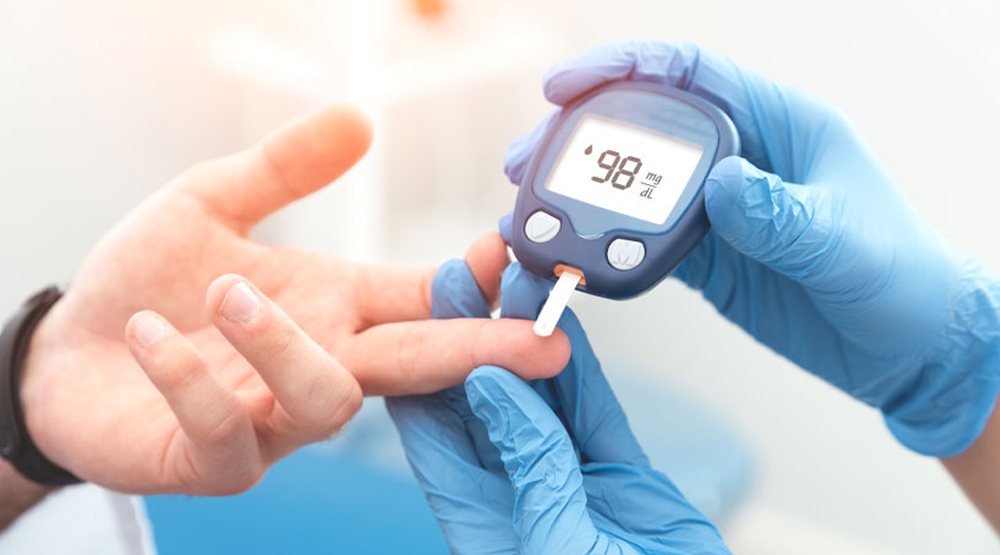
Diabetes is a metabolic disease in which the body has trouble regulating blood sugar levels. Affecting millions of people worldwide, diabetes can lead to serious health problems if it is not kept under control. With the right treatment and lifestyle changes, however, it is possible to live a healthy life with this condition. Here is everything you need to know about diabetes!
What Is Diabetes?
Diabetes is a disease characterised by blood sugar levels that are higher than normal. The body uses the hormone insulin to regulate blood sugar. In people with diabetes, this mechanism does not work properly. As a result, blood sugar cannot be kept in balance, which can have harmful effects on organs and tissues.
Types of Diabetes
There are three main types of diabetes:
- Type 1 Diabetes
- It is an autoimmune disease: the body attacks the insulin-producing cells of the pancreas.
- It usually appears in childhood or adolescence.
- It requires insulin treatment.
- Type 2 Diabetes
- It is the most common type of diabetes. The body either does not produce enough insulin or cannot use insulin effectively.
- It is usually seen in adults, but has been increasing in children in recent years.
- It is linked to an unhealthy lifestyle, obesity and genetic factors.
- Gestational Diabetes (Diabetes in Pregnancy)
- It develops during pregnancy and usually disappears after birth.
- It can pose risks for both mother and baby and can increase the risk of type 2 diabetes later in life.
Symptoms of Diabetes
The symptoms of diabetes usually develop gradually. If you experience any of the following, it is important to have your blood sugar checked:
- Excessive thirst and frequent urination
- Sudden weight loss
- Constant tiredness and weakness
- Blurred vision
- Slow-healing wounds
- Numbness or tingling in the hands and feet
Causes and Risk Factors of Diabetes
Causes of Type 1 Diabetes:
- Genetic predisposition
- An abnormally functioning immune system
Causes of Type 2 Diabetes:
- Obesity and an unhealthy diet
- Lack of physical activity
- Genetic predisposition
- Ageing
Treatment of Diabetes
Diabetes is a condition that has to be managed for life. With the right approach, however, it can be kept under control:
- Healthy Eating
- Balance your carbohydrate intake. Choose whole grains, vegetables and fruit.
- Avoid sugar and refined carbohydrates.
- Eat high-fibre foods to keep your blood sugar stable.
- Physical Activity
Regular exercise increases insulin sensitivity and helps stabilise blood sugar. At least 150 minutes of moderate-intensity exercise a week is recommended.
- Blood Sugar Monitoring
Measuring your blood sugar regularly is vital for controlling diabetes. Try to stay within the target range recommended by your doctor.
- Medication
- Insulin treatment is essential for type 1 diabetes.
- Type 2 diabetes may require oral diabetes medication or insulin treatment.
- Stress Management
Stress can have a negative effect on blood sugar levels. You can reduce stress with methods such as yoga, meditation and breathing exercises.
Complications of Diabetes
If diabetes is not brought under control, it can lead to serious health problems in the long term:
- Cardiovascular Disease: Diabetes increases the risk of heart attack and stroke.
- Nerve Damage (Neuropathy): Can cause pain, numbness and loss of sensation, especially in the feet.
- Kidney Damage (Nephropathy): If left untreated, it carries a risk of kidney failure.
- Eye Problems: Diabetic retinopathy can cause eye disease that may even lead to blindness.
- Slow Wound Healing: Foot ulcers and infections are common.
What Can You Do to Prevent Diabetes?
Type 2 diabetes can be prevented. You can reduce the risk by adopting a healthy lifestyle:
- Make sure you eat a balanced diet.
- Maintain a healthy weight.
- Exercise regularly.
- Have your blood sugar checked regularly.
Diabetes is a manageable condition with the right information, treatment and lifestyle changes. Healthy eating, regular exercise and medical check-ups can protect you from its harmful effects. If you have symptoms of diabetes, you should see a healthcare professional without delay. Remember, early diagnosis and regular care are the key to living a healthy life with diabetes.