
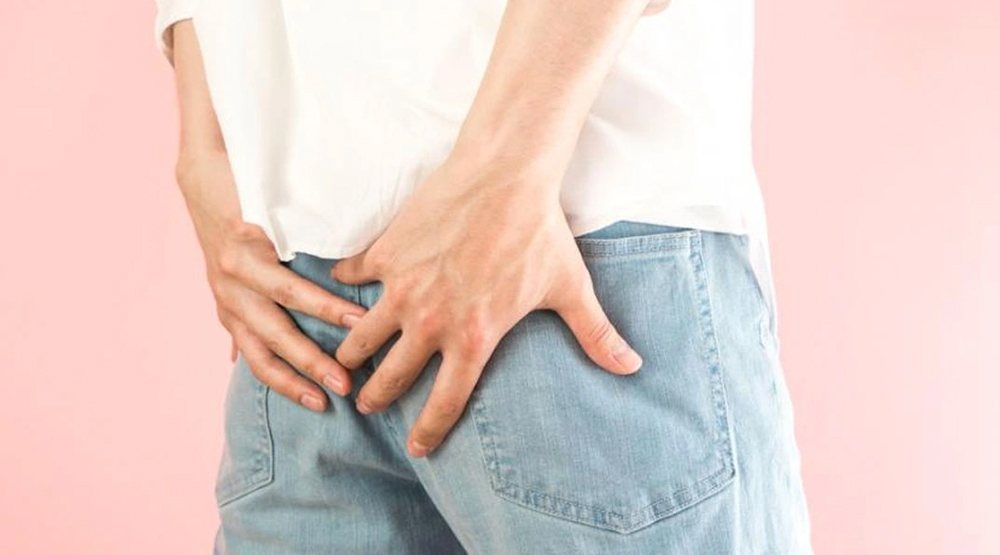
A pilonidal sinus is a condition that is particularly common in young men and can have a real impact on quality of life. With general surgery, it is possible to be rid of this problem for good. In this article, we look at the causes and symptoms of pilonidal sinus and at surgical treatment.
What Is a Pilonidal Sinus?
A pilonidal sinus is a condition that usually develops in the tailbone area, where hairs become embedded under the skin and cause infection. Inflammation caused by hair and foreign material in this area can turn into an abscess over time. If left untreated, it can lead to severe pain and recurring infections.
What Causes a Pilonidal Sinus?
The following factors can contribute to a pilonidal sinus:
- Excess Body Hair: Dense hair growth increases the risk of a pilonidal sinus.
- Prolonged Sitting: Sitting for long periods puts pressure on the tailbone and can lead to a pilonidal sinus.
- Tight Clothing: Tight clothes can push hairs under the skin.
- Poor Hygiene: Not keeping the skin clean can also trigger a pilonidal sinus.
What Are the Symptoms of a Pilonidal Sinus?
Symptoms of a pilonidal sinus include:
- Swelling and tenderness over the tailbone
- Redness and warmth of the skin
- Abscess formation
- Discharge and an unpleasant smell
- Pain when moving
Pilonidal Sinus Surgery
The definitive treatment for a pilonidal sinus is surgery. General surgeons choose the appropriate surgical method according to the stage of the condition and the state of the infection.
Surgical Methods
- Minimally Invasive Techniques: In simple cases, the hair and inflamed tissue are removed through a small incision. This method allows a quick recovery.
- Flap Technique: In more advanced cases, the affected area is cleaned out and the wound is closed using healthy tissue.
- Laser Treatment: In some cases, the tissue can be cleared with a laser.
Recovery After Surgery
Recovery after surgery varies from patient to patient. In general, the following points are important:
- Hygiene: Keeping the surgical site clean reduces the risk of infection.
- Rest: Physical activity should be avoided for the period recommended by your doctor.
- Regular Check-ups: Follow-up is important to make sure recovery goes smoothly.
Tips for Preventing a Pilonidal Sinus
- Pay attention to personal hygiene.
- Avoid sitting for long periods.
- Choose comfortable clothing rather than tight clothes.
- Keep hair growth under control with regular hair removal.
Conclusion
A pilonidal sinus can seriously affect quality of life. However, thanks to modern surgical methods performed by general surgeons, you can be rid of the problem for good. If you are experiencing similar symptoms, see a healthcare provider without delay and take a step towards a healthier life!
Remember how important early treatment is for getting back to days when every step feels more comfortable.