
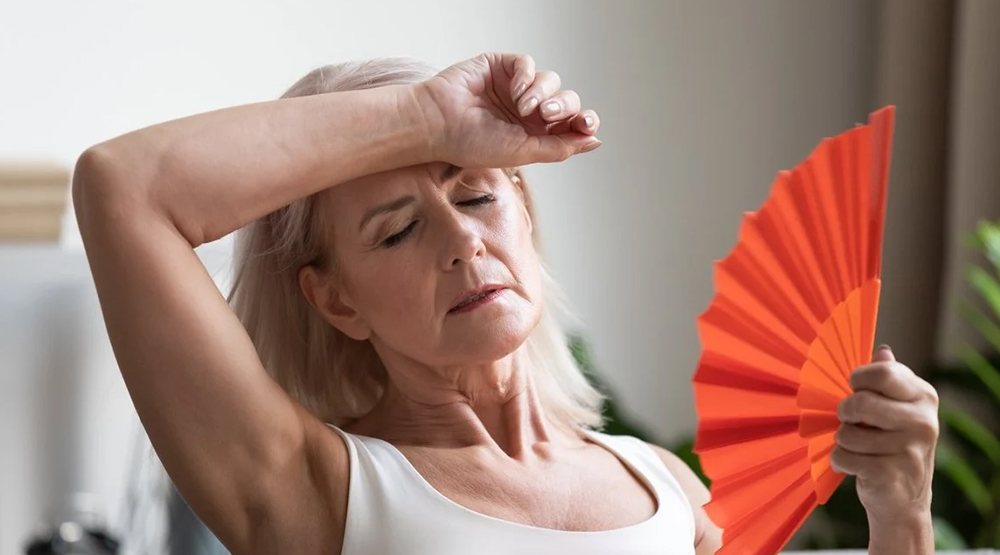
Menopause is a natural stage in a woman’s life that usually occurs between the ages of 45 and 55. It marks the end of the menstrual cycle and of fertility. Many women experience a range of physical and emotional symptoms during menopause. In this article, we take a detailed look at the symptoms and causes of menopause and at strategies for managing it.
Symptoms of Menopause
Menopause symptoms vary from woman to woman and usually begin during the phase known as perimenopause. The most common symptoms are:
-
Irregular Periods: One of the most noticeable signs of menopause is that periods become irregular. The time between periods may become longer or shorter, and the amount of bleeding may change.
-
Hot Flushes and Night Sweats: Hot flushes are sudden feelings of heat in the body accompanied by sweating. Night sweats can lead to sleeplessness and discomfort.
-
Vaginal Dryness and Sexual Discomfort: Falling oestrogen levels can cause the vaginal tissues to become dry and thin. This can lead to discomfort and pain during sex.
-
Sleep Problems: Menopause can cause insomnia and poorer sleep quality. Hot flushes and night sweats can also contribute to this.
-
Emotional Changes: Depression, anxiety, irritability and mood swings are common during menopause. Fluctuating hormone levels are the main cause of these symptoms.
-
Weight Gain and Metabolic Changes: A slower metabolism can lead to weight gain and changes in how fat is distributed.
Causes of Menopause
Menopause occurs when the ovaries produce less oestrogen and progesterone. As well as this natural process, some medical conditions and treatments can also bring on menopause:
- Surgical Menopause: Surgical removal of the ovaries causes sudden menopause.
- Cancer Treatment: Cancer treatments such as chemotherapy and radiotherapy can affect how the ovaries work.
- Premature Menopause: Menopause before the age of 40 can be due to genetics, autoimmune diseases or other health problems.
Managing Menopause
Managing menopause aims to ease symptoms and improve quality of life. Some effective strategies are:
-
Hormone Therapy (HT): Hormone therapy with oestrogen and progesterone can reduce hot flushes, vaginal dryness and bone loss. However, the risks and benefits of HT should be assessed according to each woman’s individual health.
-
Lifestyle Changes:
- Balanced Diet: A diet rich in fruit, vegetables, whole grains and healthy fats supports overall health.
- Regular Exercise: Physical activity has positive effects on weight control, bone health and mood.
- Stress Management: Stress management strategies such as yoga, meditation and deep-breathing techniques can help maintain emotional balance.
-
Alternative and Complementary Therapies: Complementary approaches such as herbal supplements (for example, soy or black cohosh), acupuncture and massage therapy may help ease symptoms in some women. However, it is important to consult a healthcare professional before using these treatments.
-
Support Groups and Counselling: Getting emotional support during menopause can reduce stress and anxiety. Support groups and counselling services can help you through this stage more comfortably.
Menopause is an inevitable stage in every woman’s life, and its symptoms vary from person to person. A range of strategies and treatment options are available to manage symptoms and improve quality of life. Adopting a healthy lifestyle and seeking medical support when needed can help you through menopause more comfortably.
If menopause symptoms are affecting your quality of life, do not hesitate to talk to a healthcare professional. Remember, every woman’s experience of menopause is different, and it is important to find the management plan that suits you best.